The Mejlis (Parliament) of Turkmenistan is a legislature representative body

MEJLIS OF TURKMENISTAN


MEJLIS OF TURKMENISTAN

HEADLINES

View All

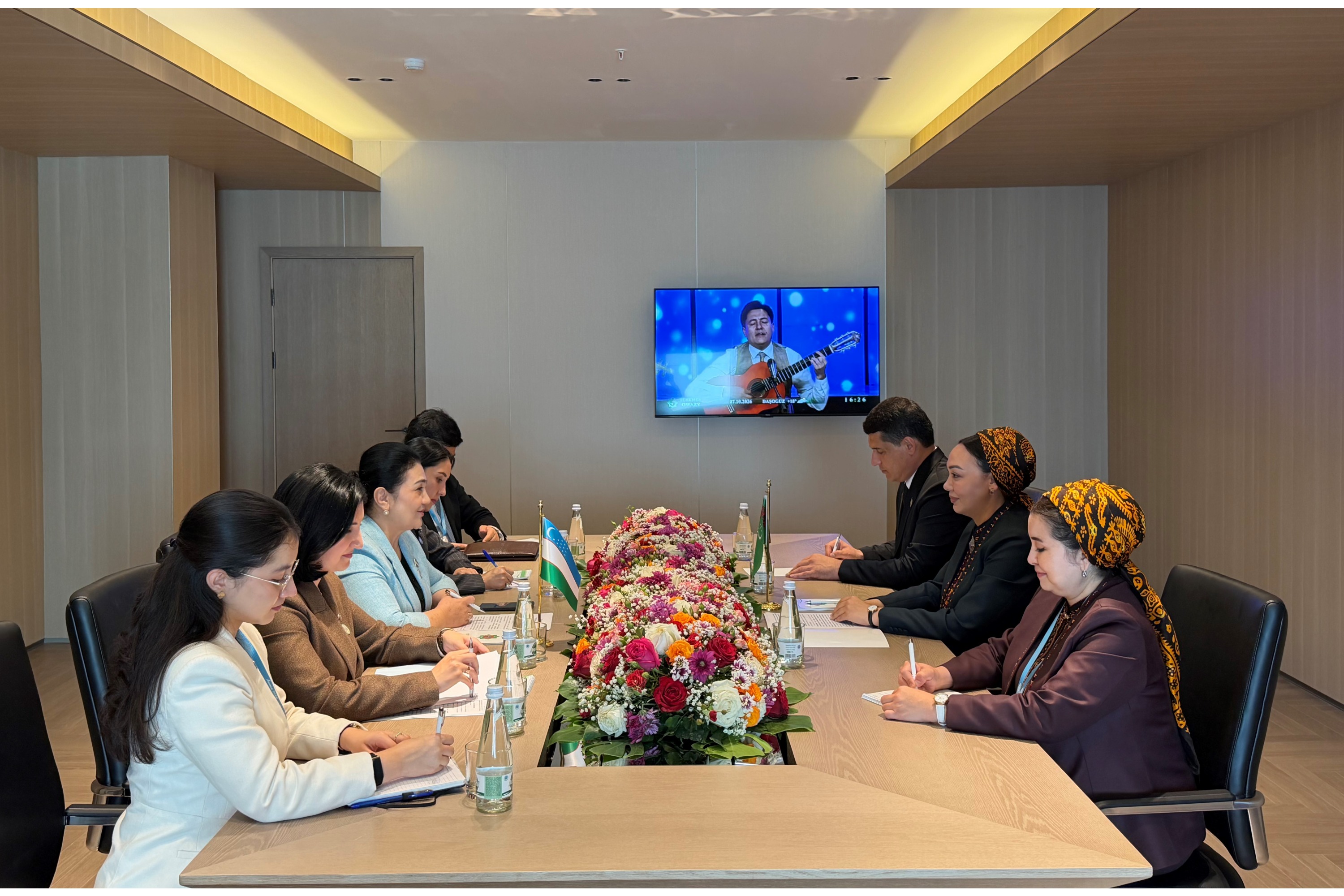
Meeting was held between Chairperson of the Mejlis of Turkmenistan and Deputy Prime Minister of the Republic of Uzbekistan, Chairperson of the State Committee for Youth, Family and Women’s Affairs Dilnozakhon Kattakhanova

On 7 October 2026, Chairperson of the Mejlis of Turkmenistan Dunyagozel Gulmanova, met with Dilnozakhon Kattakhanova, Deputy Prime Minister of the Republic of Uzbekistan and Chairperson of the State Committee for Youth, Family and Women’s Affairs.

During the meeting, the Chairperson of the national Parliament expressed her gratitude to Dilnozakhon Kattakhanova, Deputy Prime Minister of the Republic of Uzbekistan and Chairperson of the State Committee for Youth, Family and Women’s Affairs, for the participation of the delegation led by her in the International Women’s Dialogue «The Role of Women in Maintaining Peace and Achieving Sustainable Development», the Second International Conference «Universal Health Coverage and the Sustainable Development Goals», as well as the International Conference «Demographic Processes and Sustainable Development: Contemporary Challenges and International Practice», held in the Avaza National Tourist Zone.

The guest was briefed on the main directions of the domestic and foreign policy of Turkmenistan, based on the principles of positive neutrality, peacefulness, humanism and trust, as well as on the structure of the Mejlis and its multifaceted activities aimed at ensuring the legal framework for the programme of transformations being implemented in the country. 

During the meeting, it was emphasized that the resolution «2028 – International Year of International Law», adopted at a plenary meeting of the United Nations General Assembly at the initiative of Turkmenistan, is of great importance for strengthening the role of international law in the world, ensuring global peace and security, as well as developing effective multilateral cooperation in achieving the Sustainable Development Goals. D. Gulmanova expressed particular appreciation for the strong support extended by the Republic of Uzbekistan for the adoption of this document of international significance.

The sides emphasized the particular importance of the cooperative relations established between the two friendly neighboring countries in bilateral and multilateral formats, as well as within the framework of authoritative international organizations such as the United Nations. They also noted that they support cooperation between interparliamentary friendship groups, relevant committees, young parliamentarians and women parliamentarians in improving legislative activities.

07.10.2026

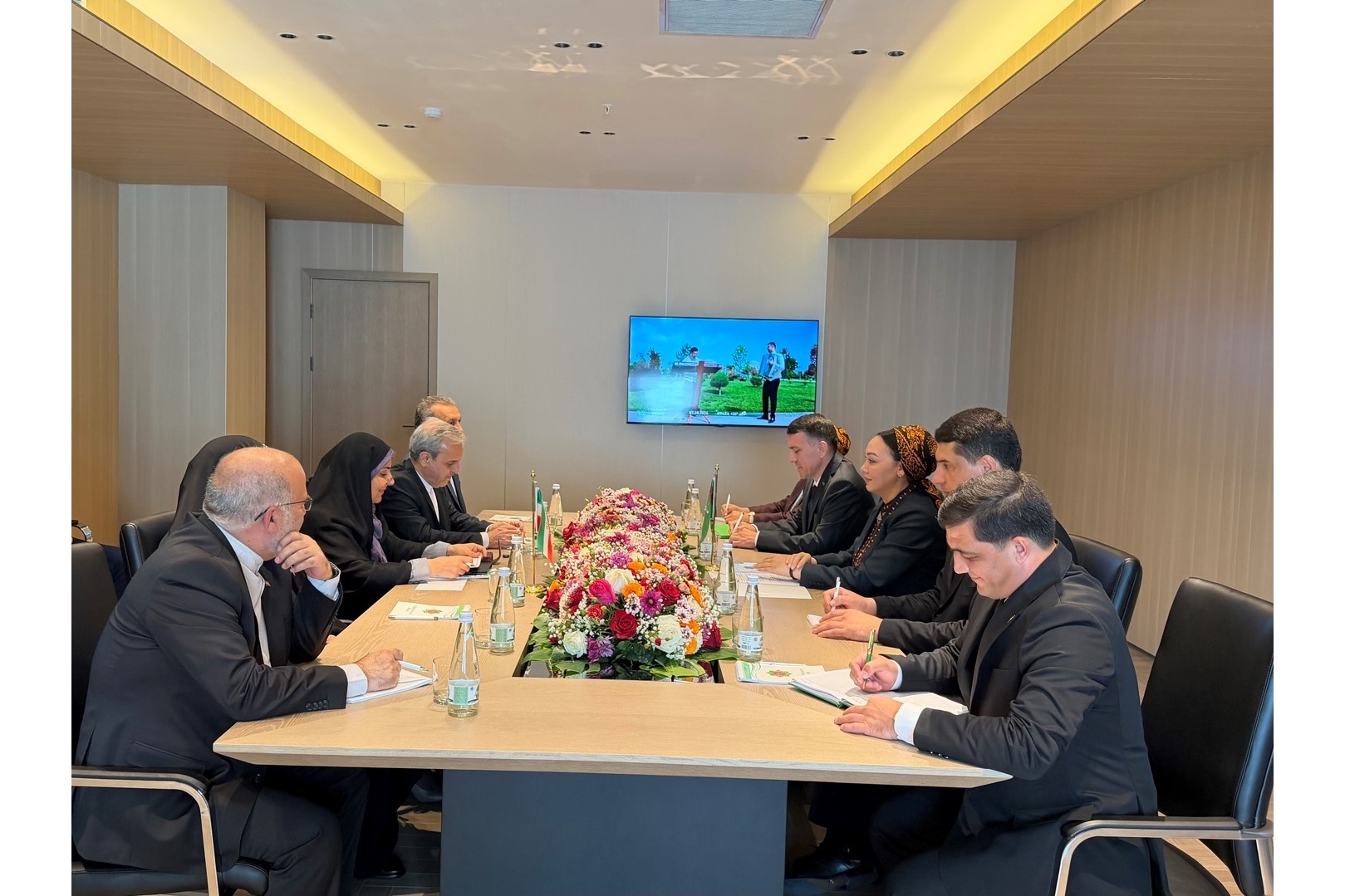
Meeting was held between Chairperson of the Mejlis of Turkmenistan and Minister of Roads and Urban Development of the Islamic Republic of Iran Farzaneh Sadegh Malvajerd

On 7 October 2026, Dunyagozel Gulmanova, Chairperson of the Mejlis of Turkmenistan, met with Farzaneh Sadegh Malvajerd, Minister of Roads and Urban Development of the Islamic Republic of Iran.

During the meeting, the Chairperson of the national Parliament expressed her appreciation to the Minister of Roads and Urban Development of the Islamic Republic of Iran for her contribution to bringing the friendly relations and cooperation between the two neighboring countries to a new level and strengthening ties in the political-diplomatic, trade and economic, and cultural and humanitarian spheres. She also expressed gratitude for the participation of the delegation led by her in the international events held in the Avaza National Tourist Zone.

The guest was briefed on the main directions of the domestic and foreign policy of Turkmenistan, based on the principles of positive neutrality, peacefulness, humanism and trust, as well as on the structure of the Mejlis and its multifaceted activities aimed at establishing the legal framework for the programme of transformations being implemented in the country.

During the meeting, it was emphasized that the resolution «2028 – International Year of International Law», adopted at a plenary meeting of the United Nations General Assembly at the initiative of Turkmenistan, is of great importance for strengthening the role of international law throughout the world, ensuring global peace and security, and developing effective multilateral cooperation in achieving the Sustainable Development Goals. 

The sides noted the consistent and highly effective nature of the equal and mutually beneficial partnership relations established between Turkmenistan and countries around the world, including the Islamic Republic of Iran, on both bilateral and multilateral bases, as well as within the framework of authoritative international organizations such as the United Nations. They also confirmed that the sides support cooperation between interparliamentary friendship groups, relevant committees, young parliamentarians and women parliamentarians in improving legislative activities.

07.10.2026

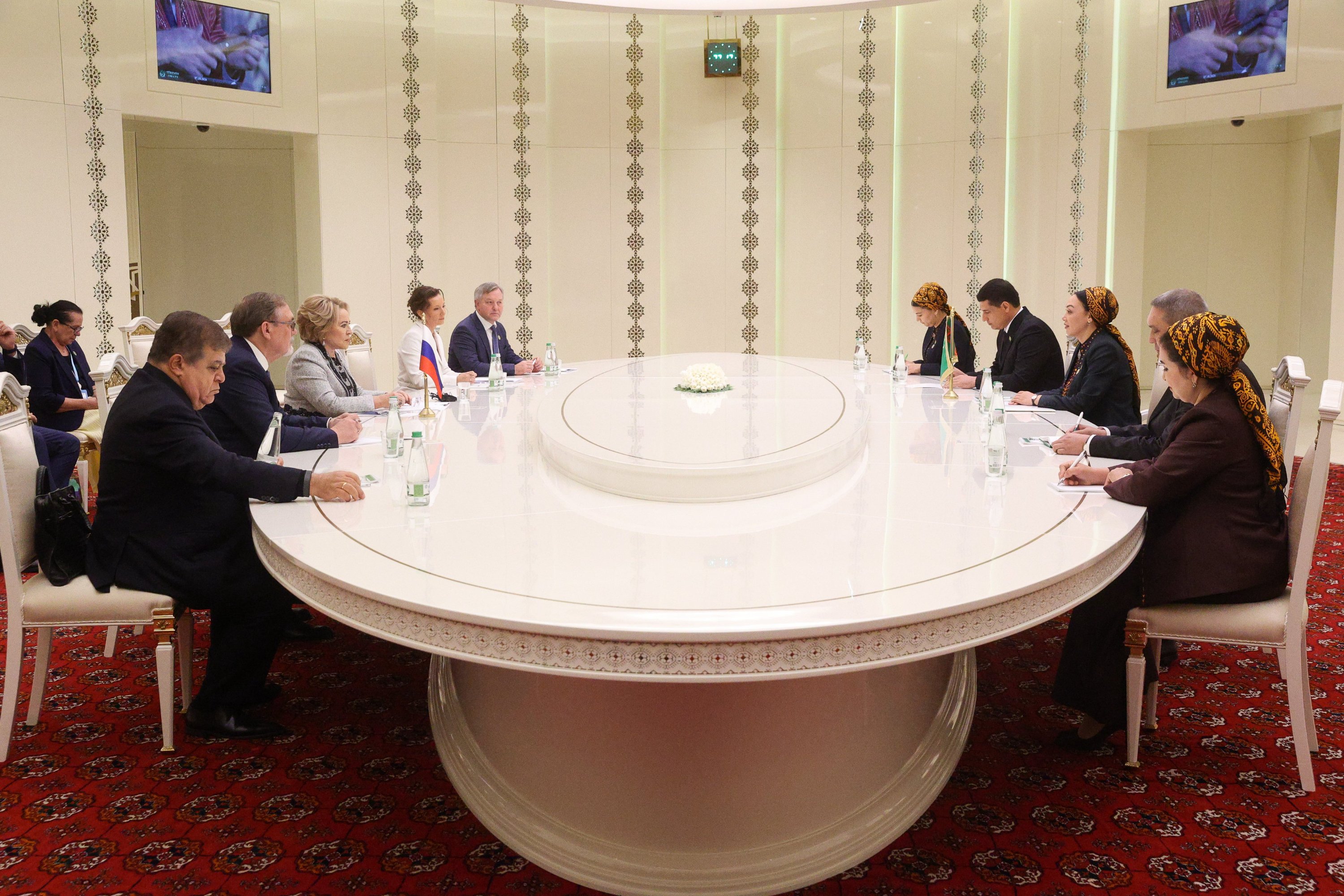
Meeting was held between Chairperson of the Mejlis of Turkmenistan Dunyagozel Gulmanova and Chairperson of the Council of the CIS Interparliamentary Assembly and Chairperson of the Federation Council of the Federal Assembly of the Russian Federation Valentina Matviyenko

On 7 October 2026, a meeting was held in the Avaza National Tourist Zone between Dunyagozel Gulmanova, Chairperson of the Mejlis of Turkmenistan, and Valentina Matviyenko, Chairperson of the Council of the Interparliamentary Assembly of the CIS Member States and Chairperson of the Federation Council of the Federal Assembly of the Russian Federation. 

During the conversation, D. Gulmanova noted that bilateral interparliamentary relations are developing consistently. She emphasized the important role played by Valentina Matviyenko in strengthening cooperation between the legislators of the two countries, as well as in advancing the women’s agenda. As the Chairperson of the national Parliament noted, the international events held in the Avaza National Tourist Zone provide an opportunity to discuss cooperation on issues related to gender equality, healthcare, demography and sustainable development, as well as to exchange best practices.

Valentina Matviyenko noted the significance of holding these events on the eve of the meeting of the Council of Heads of State of the CIS. She also noted that on 19–20 November this year, a meeting of the Council of the Interparliamentary Assembly of the CIS Member States and the 61st plenary session, as well as meetings of the standing groups on political affairs and international cooperation and on legal affairs, will be held in Ashgabat. 

The sides noted that interparliamentary relations between the Mejlis of Turkmenistan and the Federation Council of the Federal Assembly of the Russian Federation are developing on the basis of a bilateral Agreement on Cooperation. Valentina Matviyenko also proposed holding a joint meeting of the friendship groups to develop a «road map» that would include concrete measures and cooperation between the respective committees. She also supported intensifying ties between the Chamber of Young Legislators under the Federation Council of the Federal Assembly of the Russian Federation and the Group of Young Parliamentarians of the Mejlis of Turkmenistan.

07.10.2026

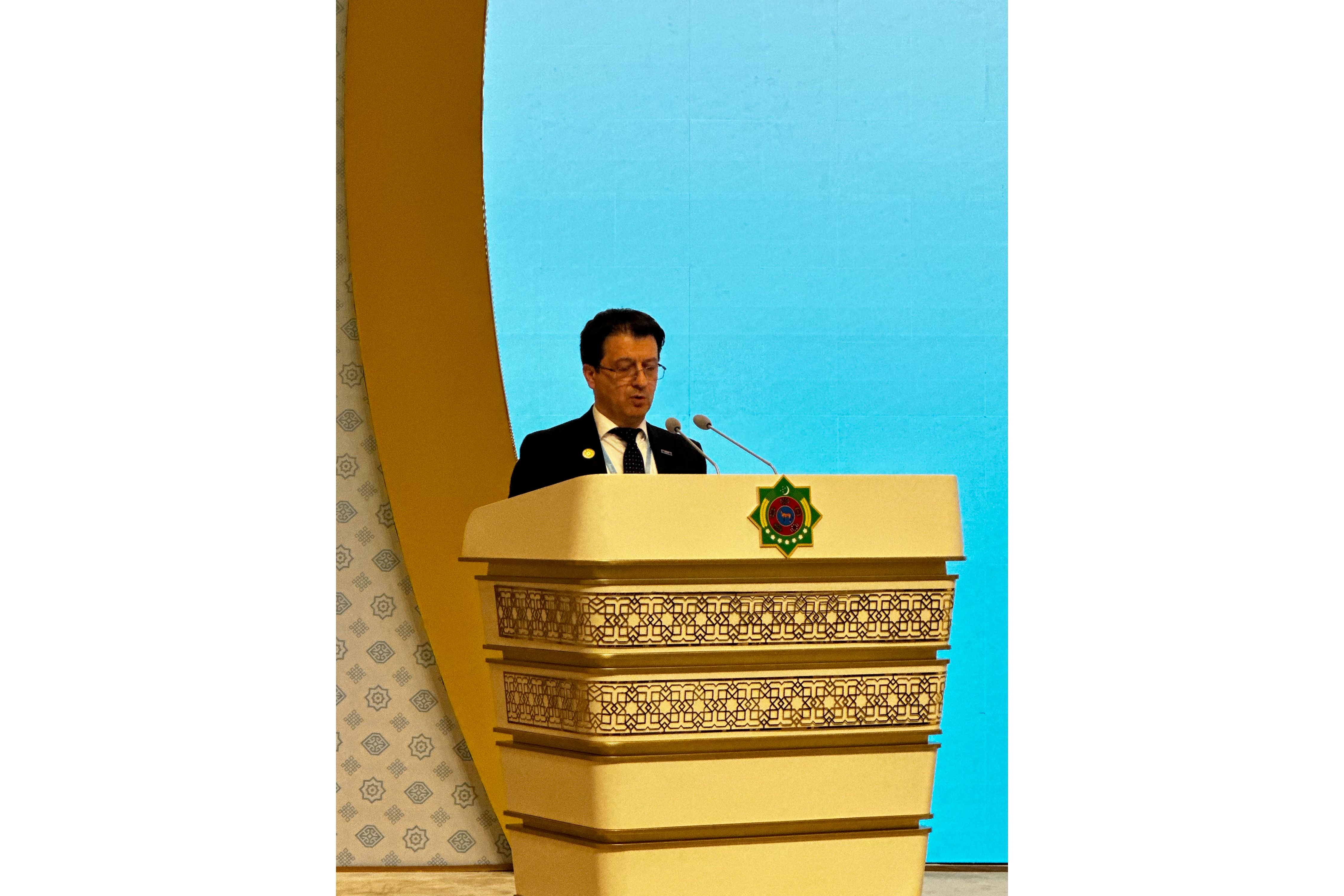
Speech by Deputy Regional Director for Europe and Central Asia at the International Organization for Migration Dragan Aleksoski at the International Conference «Demographic Processes and Sustainable Development: Contemporary Challenges and International Experience»:

It is a great honor for me to participate in this important Conference on demographic change and sustainable development. I would like to express my gratitude to the Government of Turkmenistan and the Mejlis of Turkmenistan for the initiative to hold this Conference and for the excellent organization of the event.

This meeting is taking place at a time when countries around the world are striving to accelerate the implementation of the 2030 Agenda for Sustainable Development. Governments’ efforts to create new opportunities and strengthen societies must form part of our shared commitment to leave no one behind.

At the heart of every demographic trend is a human being: a young person seeking their first job, a parent building a secure future, or an older person whose experience and knowledge can still make a valuable contribution. Our mission is to promote sustainable development by creating conditions in which everyone, including migrants, can live with dignity, realize their potential and contribute to the communities they consider home.

We highly appreciate Turkmenistan’s approach to investing in human capital, including education and healthcare, youth empowerment, decent work, digitalization and social protection. These investments are crucial to transforming demographic opportunities into global economic and social progress.

Demographic changes will shape the future of our societies, but the decisions we make today will determine how we respond to their consequences. By investing in people, protecting their rights and creating opportunities, we can build a society in which every generation has its place and every person has the opportunity to contribute.


07.10.2026

Speech by Member of the Committee on International Relations, Defence and Security of the Kurultai of the Republic of Kazakhstan Nurgul Tau at the International Conference «Demographic Processes and Sustainable Development: Contemporary Challenges and International Experience»:

First of all, I would like to express my gratitude to the Turkmen side for the excellent organization of this Conference, dedicated to one of the most important issues of our time, as well as for the hospitality extended to us.

Today, demographic processes determine not only the size of the population. They directly affect the labor market, healthcare, education, social protection, the development of cities and regions, and the stability of our states. In the CIS countries and Central Asia, demographic changes are occurring at different rates. In some societies, birth rates are high and young people account for a large proportion of the population, while others are already facing population ageing and a shrinking workforce. At the same time, urbanization and migration are intensifying, and patterns of family and employment relations are changing. Consequently, there are no universal solutions that can be applied to all countries. Nevertheless, we need a common approach: demographic policy must be long-term, based on reliable data and focused primarily on people’s quality of life.

As of 1 August 2026, Kazakhstan’s population had reached 20 million 605 thousand. More than 64 per cent of the country’s citizens live in urban areas. During the first seven months of this year, 176,400 children were born, and natural population growth continues. The total fertility rate is approximately 2.9 children per woman. At the same time, demographic growth presents new challenges. Average life expectancy has reached 76 years, representing one of the country’s major social achievements. However, the proportion of citizens aged over 65 has exceeded 8.7 per cent. This calls for the development of active ageing systems, preventive medicine, long-term care and conditions that enable older people to participate fully in society. In this regard, existing long-term care centres operating under the auspices of local executive authorities have played an important role in social policy. Currently, more than 130 such centres operate in cities and villages across Kazakhstan. They provide older people with free medical care, educational opportunities, psychological support and leisure services, while also creating conditions for physical activity, social interaction and participation in community life. Such initiatives not only improve the quality of life of older people but also help foster a culture of active and healthy ageing throughout society.

Legislative bodies can ensure the sustainability of these initiatives. Access to preschool facilities, the protection of motherhood and childhood, healthcare development, housing policy and balanced regional development all depend on the quality of legislation. It is important to assess draft legislation not only from an economic perspective but also in terms of its long-term impact on families and demographic development.

Demographic policy is an investment in the long-term future. Its results are measured not by a single year or an individual program, but by the health of children, parents’ confidence in the future and a dignified quality of life for older generations.

07.10.2026

Speech by Deputy Chairperson of the Committee on Social Issues, Healthcare, Science, Education, Culture, Youth and Women’s Policy of the Majlisi Namoyandagon of the Majlisi Oli of the Republic of Tajikistan Nuriddin Mukhiddin at the International Conference «Demographic Processes and Sustainable Development: Contemporary Challenges and International Experience»:

First of all, allow me to express my gratitude to the Turkmen side for its hospitality and for providing the opportunity to discuss, at this International Conference on Demography and Sustainable Development, issues that shape the future of every family and every state.

Tajikistan is a young and rapidly developing country. Its population increased from 8.5 million in 2015 to 10.7 million in 2025, with a fertility rate of 3.5 children per woman. At the same time, according to official data, average life expectancy increased from 70 to 77 years. This presents the country with a new challenge: ensuring that older people remain healthy and active. The legal foundation for this policy is enshrined in the Constitution of the Republic of Tajikistan.

Behind these legal provisions lie tangible resources. Government funding for healthcare increased from 1 billion 37 million somoni in 2015 to 4 billion 300 million somoni in 2025. Over the past ten years, 1,300 healthcare facilities have been built.

The most impressive results have been achieved in maternal and child health. According to the United Nations Inter-agency Group, the maternal mortality ratio in Tajikistan declined from 58 deaths per 100,000 live births in 2000 to 14 per 100,000 in 2023 — a reduction of more than fourfold. Over the same period, the under-five mortality rate fell from 78 to 28 deaths per 1,000 live births, the infant mortality rate decreased from 62 to 24, and the neonatal mortality rate declined from 26 to 11.

According to the 2023 Demographic and Health Survey, 95 per cent of births take place in healthcare facilities, and 98 per cent are attended by skilled health personnel. Coverage of children with three doses of the diphtheria, tetanus and pertussis vaccine remains at 97 per cent. The proportion of children experiencing stunting decreased from 18 per cent in 2017 to 14 per cent in 2023, while the proportion of children exclusively breastfed increased from 36 per cent to 41 per cent.


Interparliamentary dialogue could become a permanent platform for exchanging experience among Central Asian countries in maternal and child health, healthy ageing, joint epidemiological research and workforce training, including cooperation between medical universities.


07.10.2026

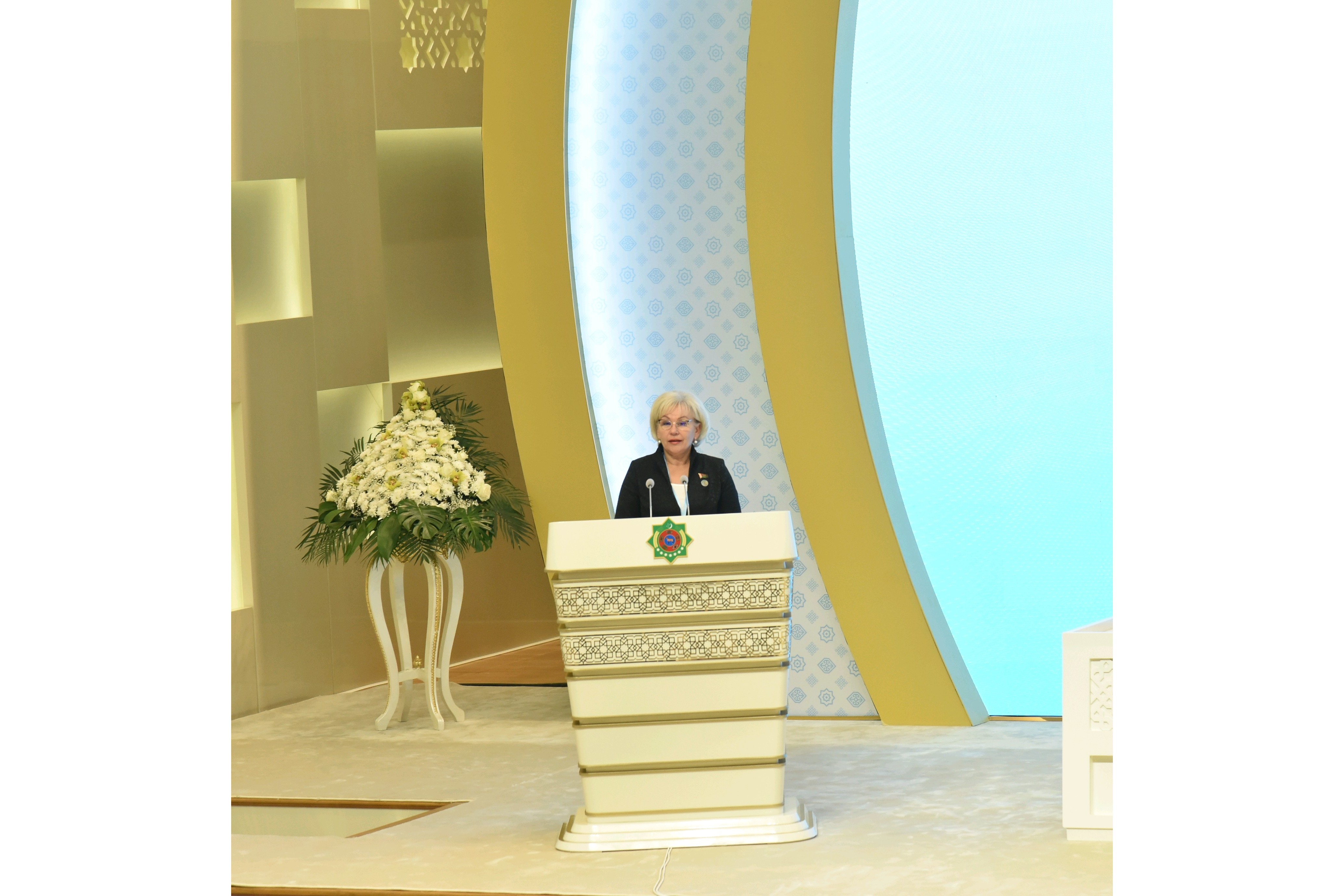
Speech by Chairperson of the Standing Commission of the House of Representatives of the National Assembly of the Republic of Belarus on Labor and Social Affairs Irina Anatolyevna Kostevich at the International Conference «Demographic Processes and Sustainable Development: Contemporary Challenges and International Experience»:

When we speak about demography, we usually think of birth rates, mortality rates and population size. However, today, demography encompasses much more than these indicators. It also includes human health, family, education, employment, pension and social security, and quality of life. Therefore, Belarus views demographic policy as an integral part of sustainable development.

In Belarus, conditions are also gradually being created to help people balance family and work. These include consideration of part-time employment, flexible working hours and remote work, as well as social and labor guarantees for parents.

I would like to draw particular attention to the most evident aspect of the relationship between social policy and the labor market. Belarus has a system of additional guarantees to support the employment of citizens who face greater difficulties competing in the labor market. This group includes, in particular, persons with disabilities, children from large and single-parent families, including parents raising children with disabilities, and young people seeking their first jobs. To this end, mechanisms for reserving jobs and establishing employment quotas are widely used. Disability should not mean exclusion from economic life. Therefore, the issue concerns not only pensions and benefits, but also employment, vocational rehabilitation, education and opportunities for meaningful work. As a result of these efforts, approximately 60 per cent of persons with disabilities who are able to work remain employed.

Belarus’s demographic policy represents a comprehensive system of support for people at different stages of life: family and the birth of child – health – education – employment assistance in difficult life circumstances – a dignified old age. 

This approach is fully consistent with the principles of sustainable development: not merely improving individual indicators, but also creating conditions that enable people to lead fulfilling lives.

07.10.2026

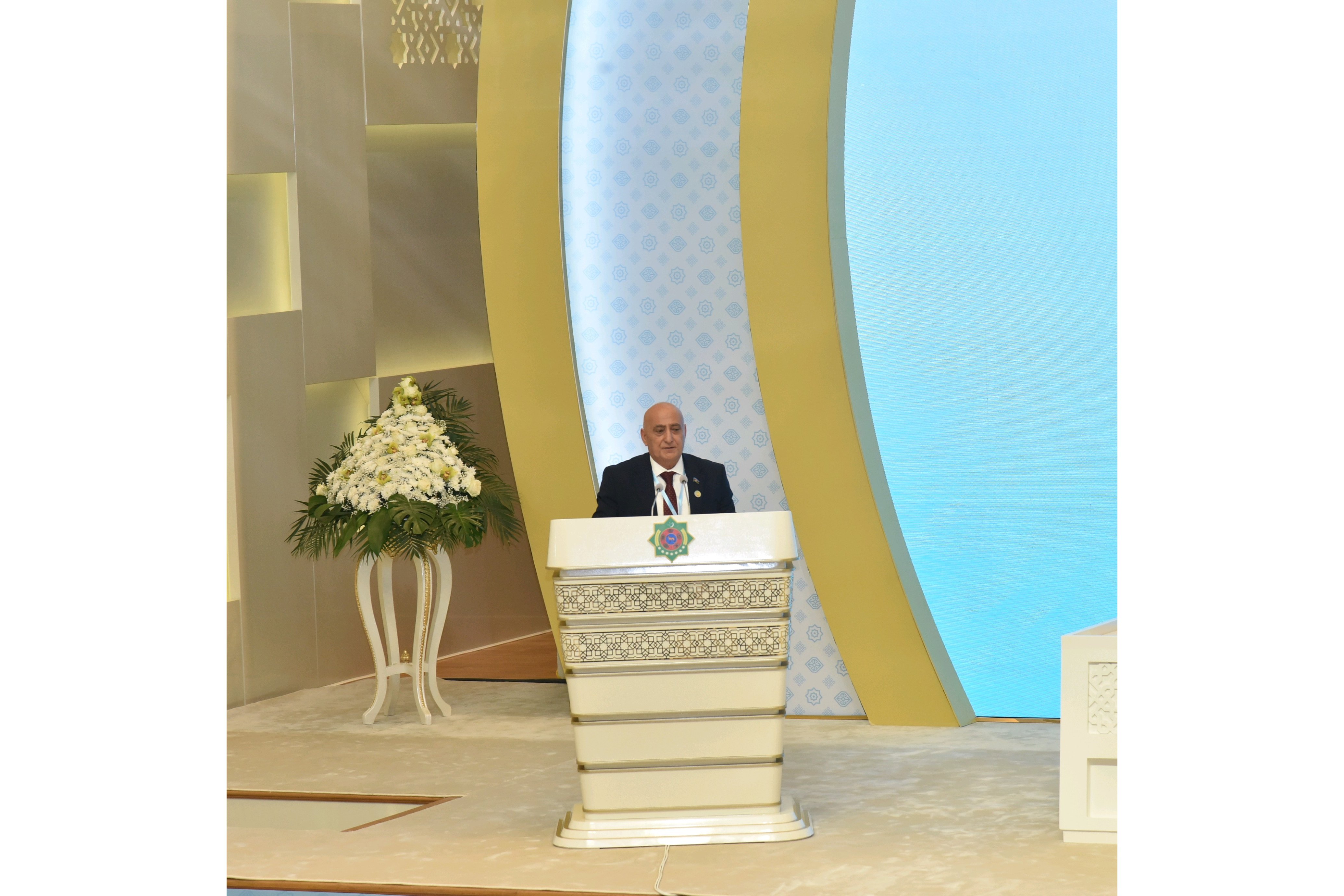
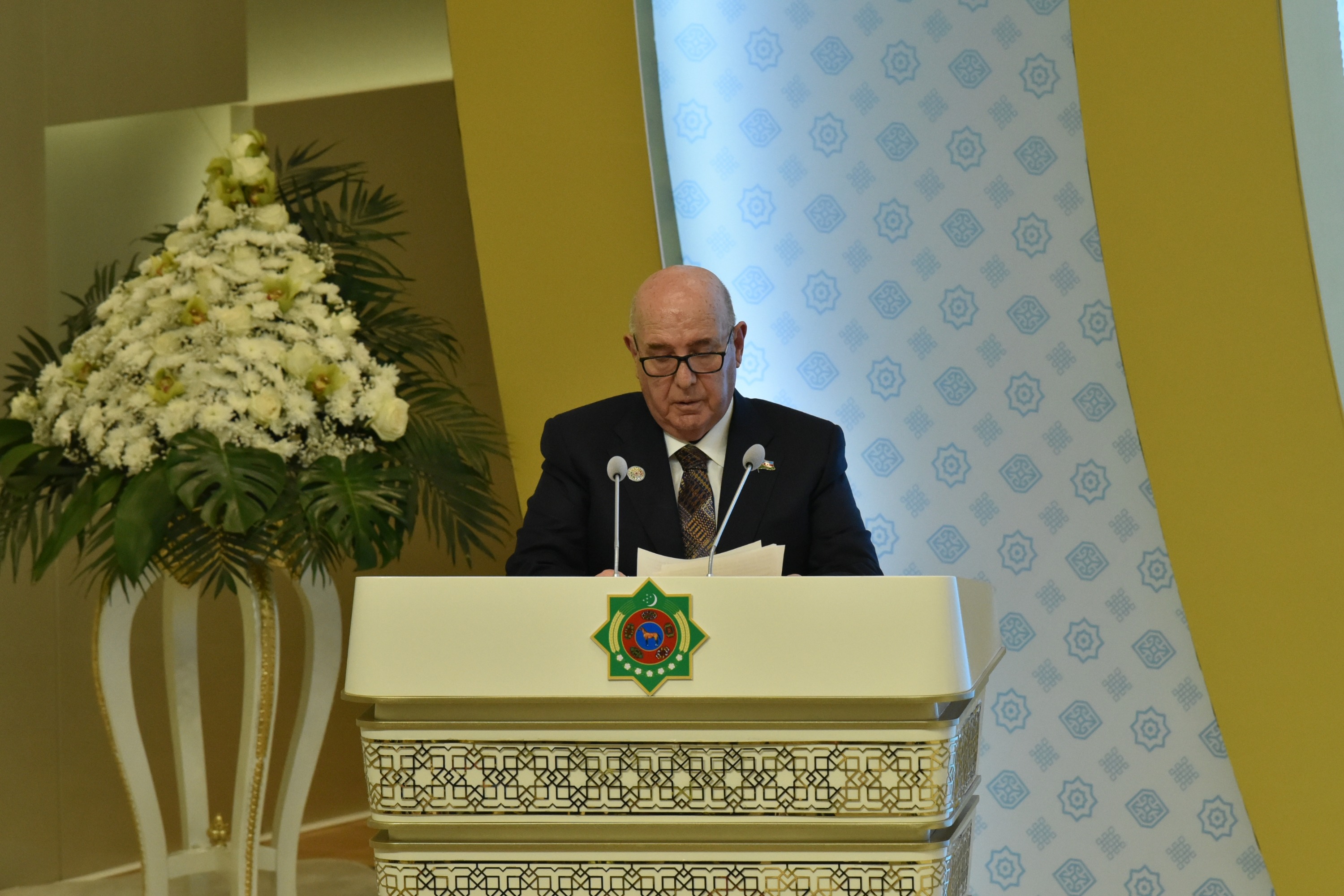
Speech by Deputy Speaker of the Milli Majlis of the Republic of Azerbaijan Musa Gasimli at the International Conference «Demographic Processes and Sustainable Development: Contemporary Challenges and International Experience»:

First of all, allow me to convey greetings on behalf of Ms. Sahiba Gafarova, Speaker of the Milli Majlis of the Republic of Azerbaijan. I would like to express my gratitude to our Turkmen colleagues for the invitation. I sincerely congratulate brotherly Turkmenistan on the 35th anniversary of its independence and wish the country great success.

The holding of today’s International Conference is of great significance, as demographic changes are among the most pressing issues facing the modern world. The current stage of demographic change is characterized by several key developments. Global population growth rates are changing, and demographic trends vary across regions. In a number of countries, fertility rates have fallen below the level required for population replacement, while the proportion of older people is increasing. Changes in the age and sex composition of populations have certain socio-economic consequences. All of this places new demands on labor markets, pension systems, education, healthcare, defense and other sectors. Population growth continues in developing countries, raising additional issues, including food security and the need to further expand youth employment opportunities. 

Demographic changes within individual countries are also reflected in the process of urbanization. The concentration of populations in cities creates challenges related to housing, transport, water supply, energy, social services and other areas. Migration has also become an important factor in global demographic change. Forced displacement, cross-border migration and labor migration affect the demographic composition of populations. Migration creates serious socio-economic challenges for both countries of origin and host countries.

Contemporary demographic processes are not limited to changes in population size. They are also closely linked to economic growth, labor markets, social protection, urban development, migration, healthcare and environmental sustainability. Therefore, the effectiveness of sustainable development policies largely depends on accurately assessing demographic changes and developing flexible demographic and social policies with a long-term perspective.

07.10.2026

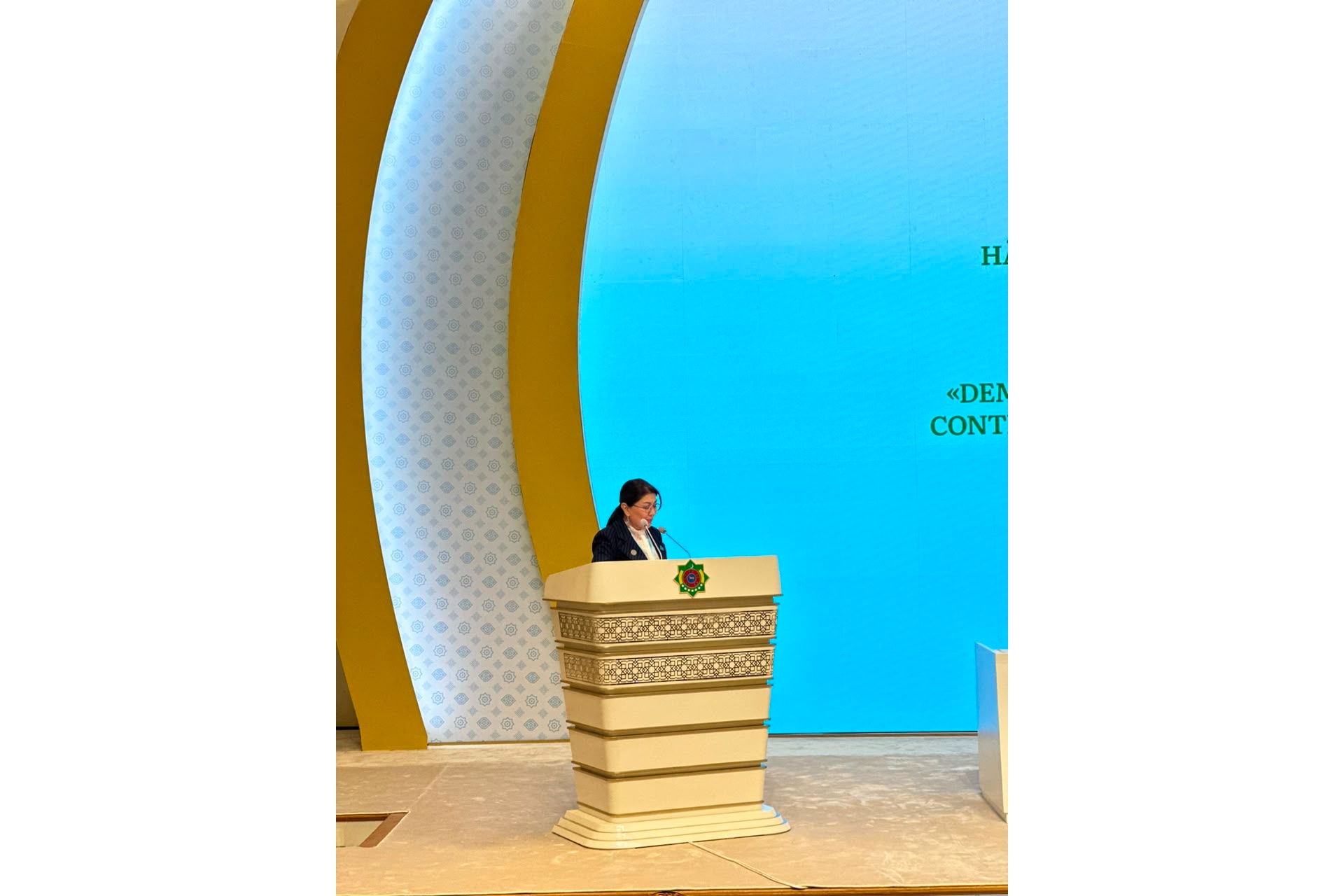
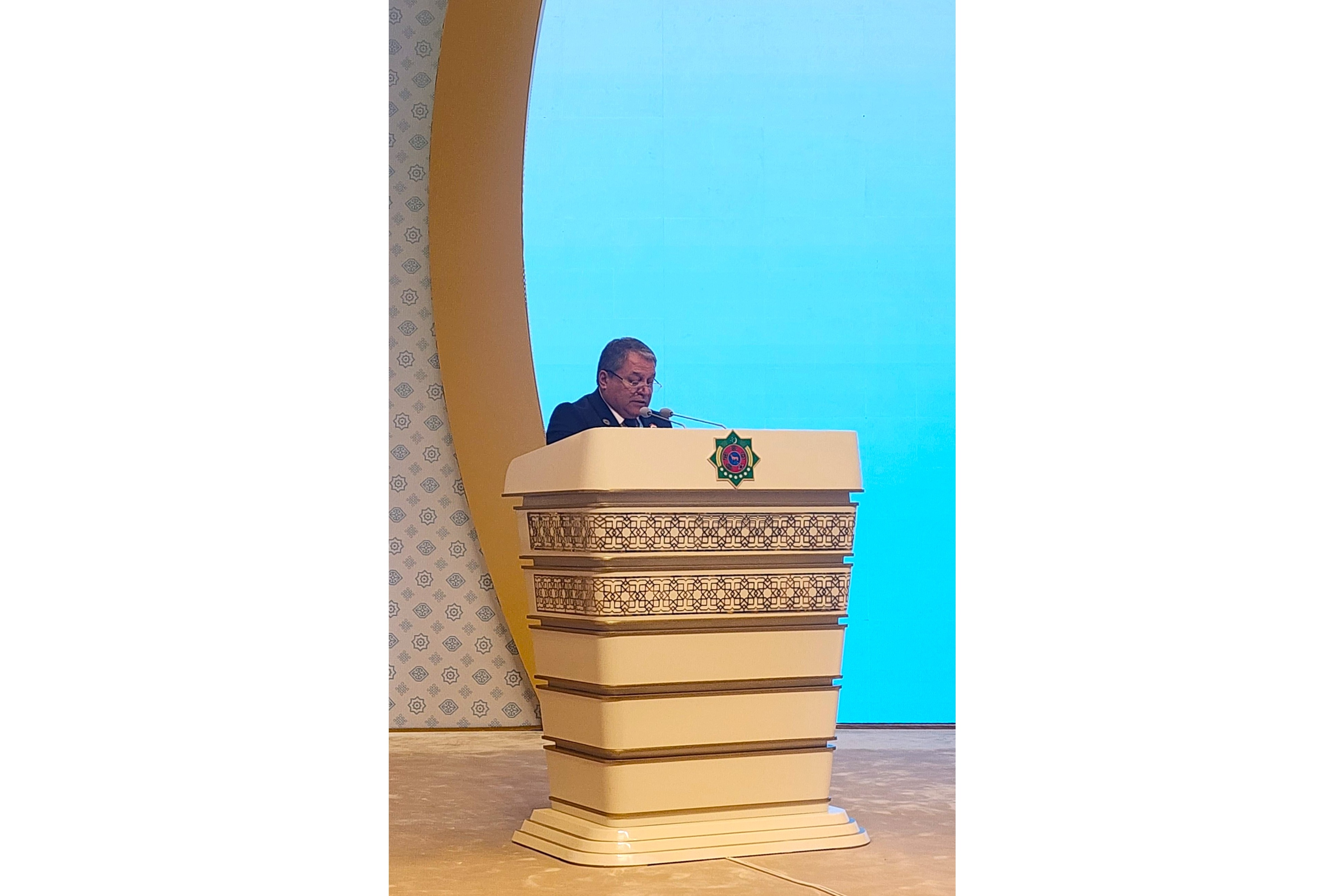
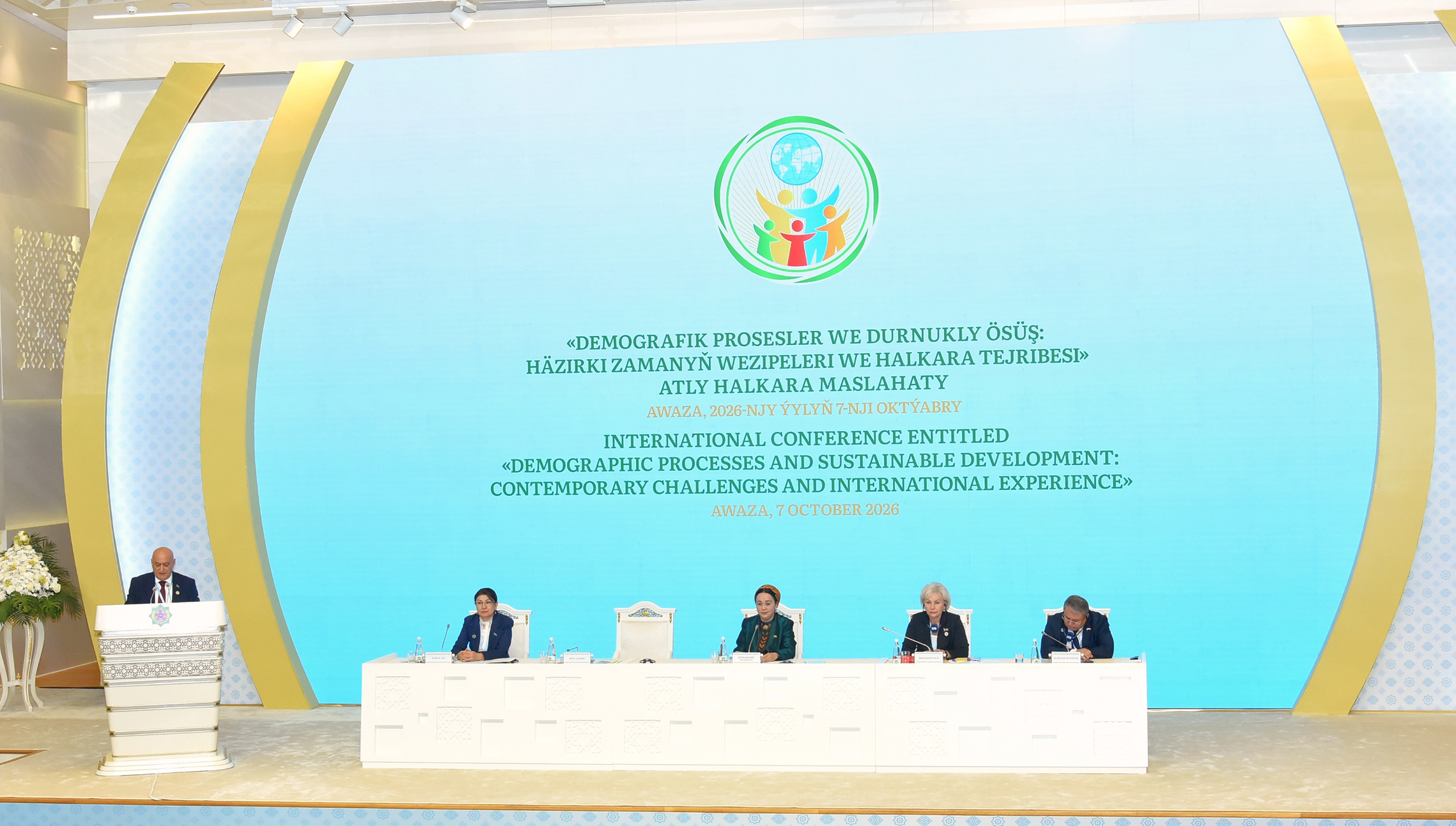
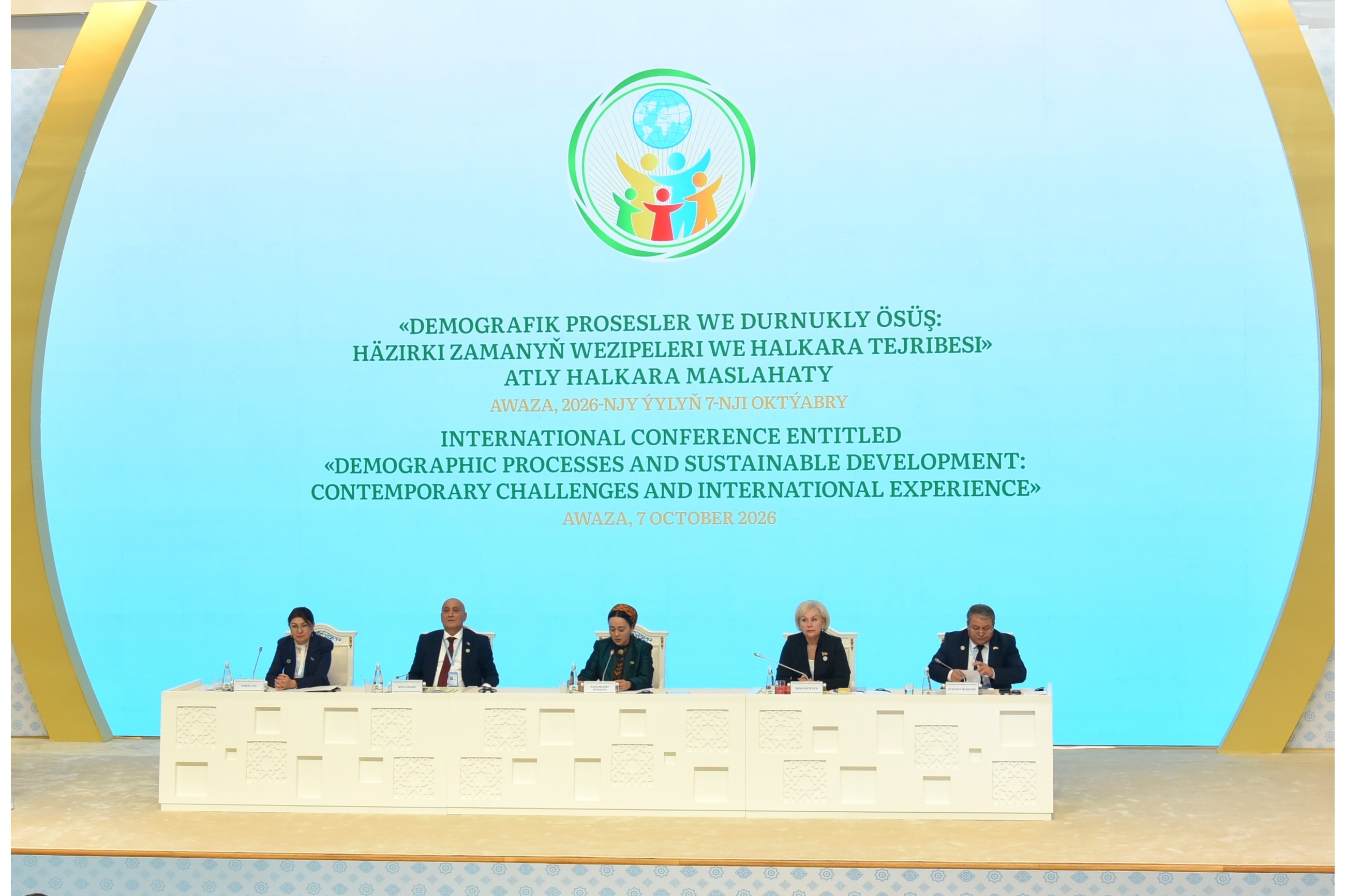
Opening Ceremony and Session of the International Conference «Demographic Processes and Sustainable Development: Contemporary Challenges and International Experience» was held in Avaza National Tourist Zone

On 7 October 2026, a session of this International Conference was held at the Conference Hall of the Avaza Congress Centre under the chairpersonship of Bayramgozel Myradowa, Chairperson of the Committee of the Mejlis of Turkmenistan on Science, Education, Culture and Youth Policy.

The International Conference was dedicated to discussing the role of demographic trends in implementing sustainable development strategies, as well as advanced international experience and effective approaches to addressing contemporary challenges in such areas as population growth, family values, the labor market and sustainable migration. 

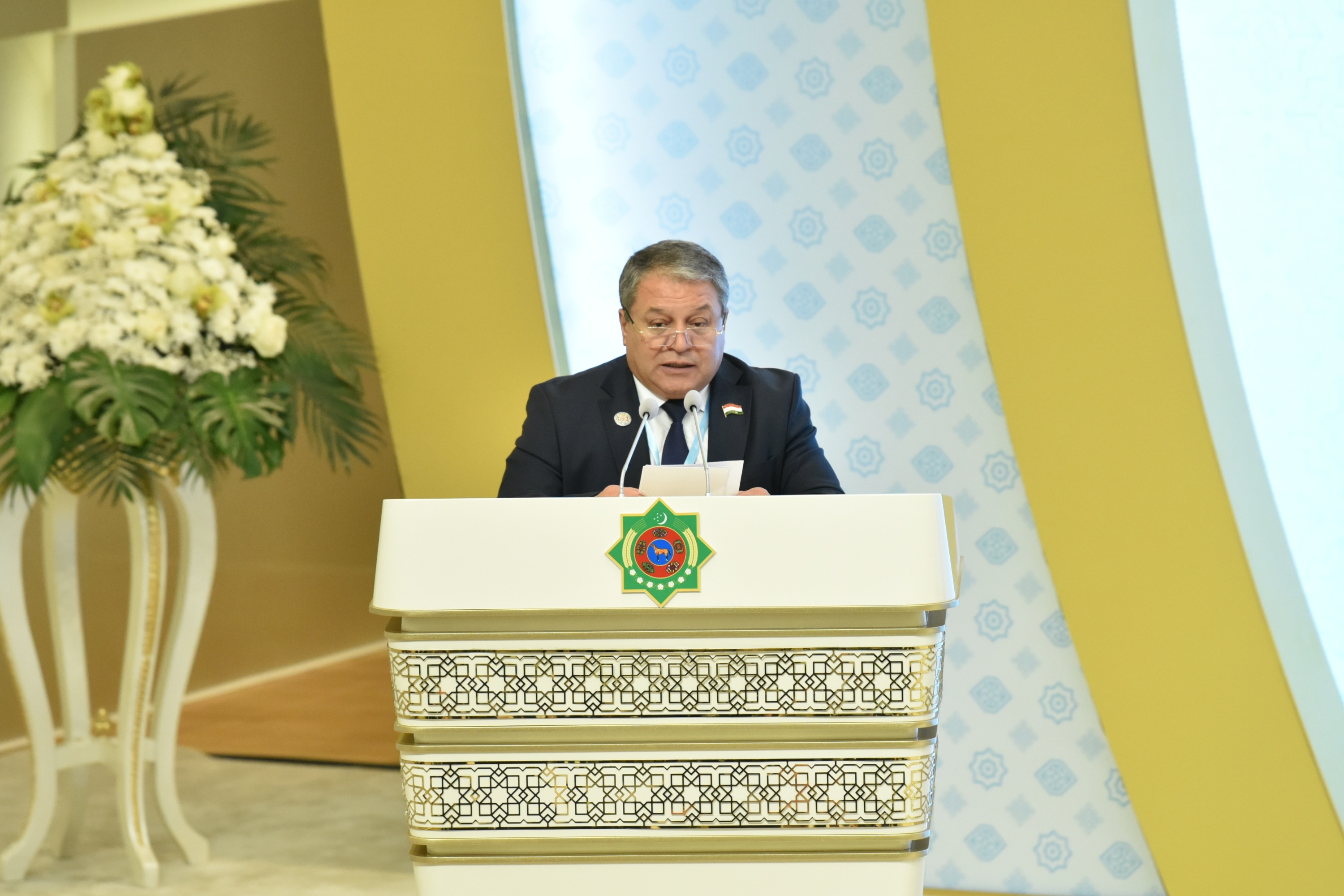
The conference heard addresses by Chairperson of the Committee of the Mejlis of Turkmenistan on Science, Education, Culture and Youth Policy Bayramgozel Myradowa, Deputy Chairperson of the Milli Majlis of the Republic of Azerbaijan Musa Gasymly, Special Representative of the United Nations Secretary-General for Central Asia and Head of the United Nations Regional Centre for Preventive Diplomacy for Central Asia Kaha Imnadze, Chairperson of the Committee on Science, Education and Culture of the Federation Council of the Federal Assembly of the Russian Federation Lilia Gumerova, Chairperson of the Standing Commission of the House of Representatives of the National Assembly of the Republic of Belarus on Labor and Social Affairs Irina Anatolyevna Kostevich, Deputy Minister of Family and Social Services of the Republic of Türkiye Sevim Sayım Madak, Deputy Chairperson of the Committee on Social Affairs, Healthcare, Science, Education, Culture, Youth and Women’s Policy of the Majlisi Oli of the Republic of Tajikistan Nuriddin Mukhiddin Davlatali, Member of the Committee on International Relations, Defence and Security of the Kurultai of the Republic of Kazakhstan Tau Nurgul, Deputy Regional Director for Europe and Central Asia of the International Organization for Migration Dragan Aleksoski, Population Affairs Specialist at the UNFPA Regional Office for Eastern Europe and Central Asia and Representative of the United Nations Population Fund for Central Asia Aynur Kanafinа, and Tigran Jrbashyan, Partner and Director of Management Consulting at Ameria in the Republic of Armenia and Member of the Board of the Global Entrepreneurship Research Association (GEM/GERA).

B. Myradowa particularly emphasized that demography and demographic policy constitute an important component of the national programmes and humanitarian and social strategies being implemented in Turkmenistan.

Under the leadership of our esteemed President, normative and legal acts are being adopted concerning social protection of the population, support for mothers with many children and young families, provision of modern education and employment opportunities, and improvement of living conditions for young people. In pursuit of the Sustainable Development Goals, Turkmenistan, within the framework of its long-standing, effective and strategic partnership, particularly with the United Nations and its agencies, is implementing various projects. This work in our country contributes to improving demographic analysis and the effective introduction of the most advanced international practices in the field of public health at the national level.

The addresses also placed particular emphasis on the challenges related to demographic issues and initiatives put forward at the international level. An exchange of national experience took place in the areas of developing human capital, improving the living and housing conditions of the population, and consistently strengthening the legislative framework in this field.

The speakers at the conference highly appreciated the positive initiatives of Turkmenistan aimed at promoting international cooperation in this area, bringing together the efforts of countries around the world, and implementing activities of universal significance.

Following the conference, a Final Document aimed at further strengthening regional and international cooperation in the relevant areas and achieving specific objectives was unanimously adopted.

The forum held was of great significance as an important platform for coordinating the economic, social and humanitarian dimensions of sustainable development at the regional and global levels, as well as for developing new measures and solutions.

At the conclusion of the conference, the participants expressed their profound gratitude to the esteemed President of Turkmenistan and the National Leader of the Turkmen people for their enormous contribution to the development of interregional relations and humanitarian dialogue, as well as for creating the conditions for the forum to be held at a high organizational level.

07.10.2026

International Conference on Demographic Processes and Sustainable Development began its work in Avaza National Tourist Zone

On 7 October 2026, the International Conference «Demographic Processes and Sustainable Development: Contemporary Challenges and International Experience» commenced in the Avaza National Tourist Zone. The conference is dedicated to important issues of regional and international significance.

The International Conference is of great significance as an important platform for discussing the role of demographic trends in achieving the Sustainable Development Goals, as well as for promoting positive initiatives aimed at studying advanced international experience in addressing contemporary challenges in such areas as population growth, family values, the labor market and sustainable migration.

07.10.2026

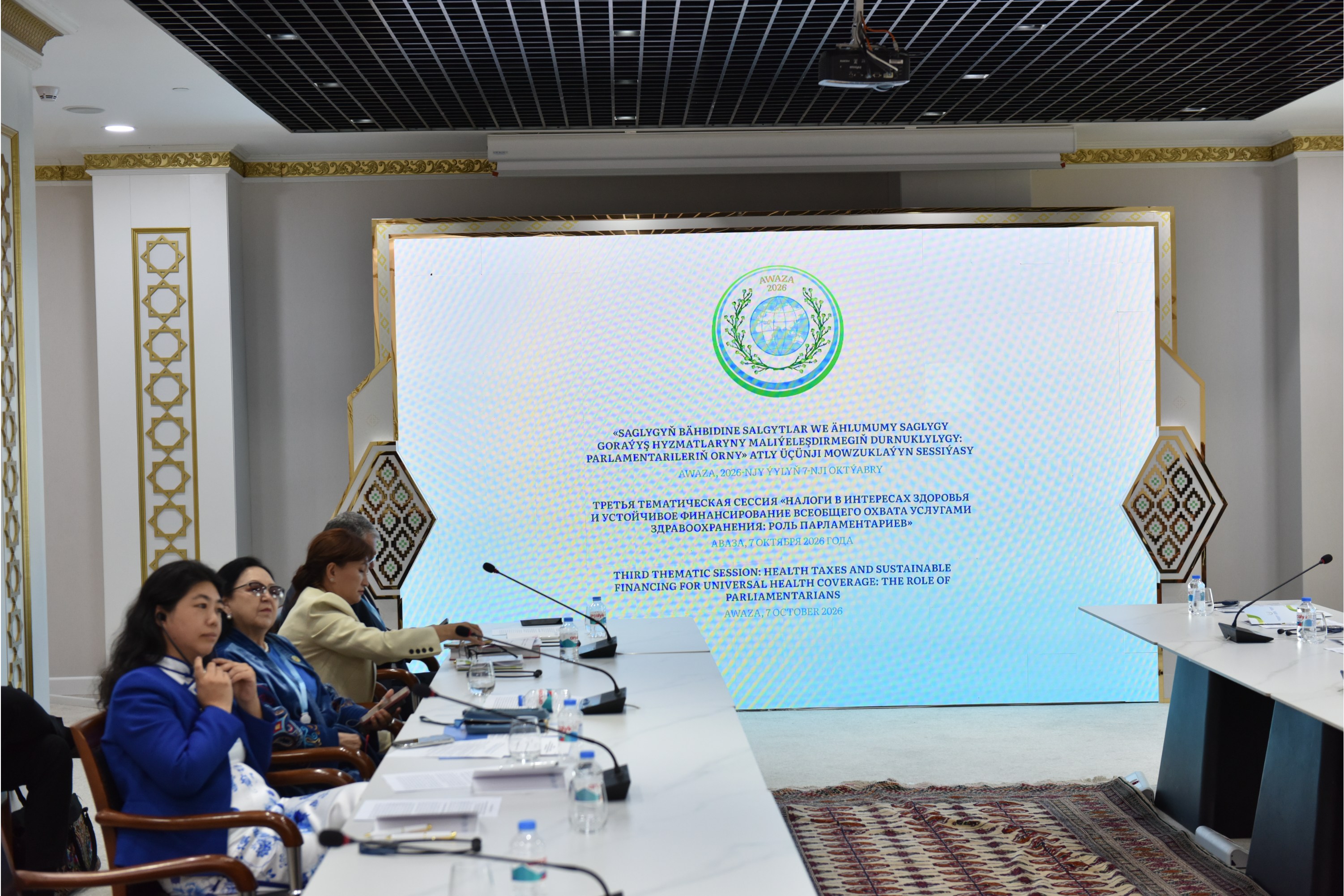
Third Thematic Session of the Second International Conference «Universal Health Coverage and the Sustainable Development Goals» was held in Avaza National Tourist Zone

The third thematic session of the Second International Conference was devoted to the topic «Health Taxes and the Sustainability of Universal Health Coverage Financing: The Role of Parliamentarians».

The main objective of the session was to assess the system of «health taxes» (alcohol, tobacco, dairy and confectionery products, etc.) from the perspective of ensuring the financial sustainability of healthcare systems and disease prevention, study international experience in this area, and discuss issues related to further strengthening the role of parliamentarians in regulating tax policy.

The thematic session featured addresses by Director of the Division of No communicable Diseases and Health Promotion at the WHO Regional Office for Europe Maria Neufeld, Deputy Director of the International Non-Governmental Organization «Eurasian Cooperation in the Development of National Healthcare and Clinical Consultations» and Member of the Council of Experts on Healthcare of the Interparliamentary Assembly of the CIS Karina Moskalenko, Chairperson of the Mejlis of Turkmenistan Committee on Social Policy Annamuhammet Sarjayev, National Coordinator for Public Health Programs at the WHO Country Office in Kazakhstan Laura Utemisova and Anna Tikhomirova Expert of the Working Group on the Development of Principles of Bioethics and Evidence-Based Medicine under the Council of Experts on Healthcare of the Interparliamentary Assembly of the CIS.

The speakers highlighted the progress achieved in improving the legal framework for public health protection and promoting healthy lifestyles in the region, and considered sustainable financing mechanisms. Specific examples of sustainable approaches to financing public healthcare based on the principles of bioethics, evidence-based medicine and practical tax instruments were also presented.

The third thematic session served as a highly effective and strategically important platform for establishing a sustainable financial foundation for healthcare systems and coordinating interregional experience in this area.

Following the session, a Final Document aimed at further strengthening regional and international cooperation and achieving specific objectives was unanimously adopted.

The participants of the event expressed their profound gratitude to the esteemed President of Turkmenistan and the National Leader of the Turkmen people for elevating international cooperation and humanitarian dialogue to new heights in the development of international healthcare services and in supporting national and regional programs.

07.10.2026

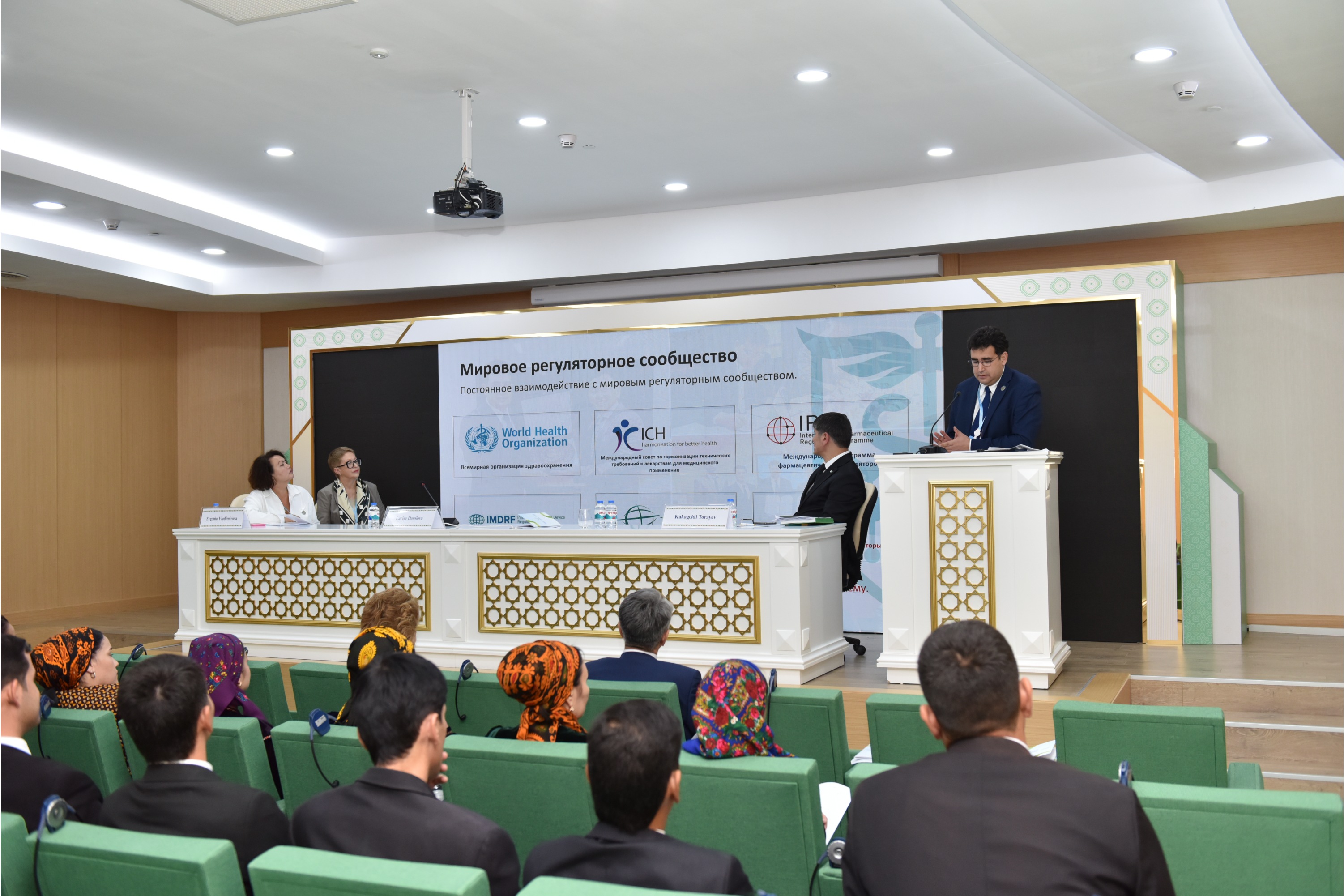
Second Thematic Session of the Second International Conference «Universal Health Coverage and the Sustainable Development Goals» was held in Avaza National Tourist Zone

The second thematic session «Promoting Universal Health Coverage through Access to Medicines: The Contribution of Model Legislation and Parliamentary Activity» was held within the framework of the Second International Conference.

The main objective of the thematic session was to discuss issues related to improving model legislation to ensure access to medicines and medical devices and their safety at the regional level, interparliamentary experience in regulating the pharmaceutical market, as well as further strengthening the role of parliaments.

The thematic session featured addresses by Member of the Council of Experts on Healthcare under the Interparliamentary Assembly of the CIS Larisa Danilova, Representative of the World Health Organization in Turkmenistan Guillaume Dedenin, Member of the Council of Experts on Healthcare of the Interparliamentary Assembly of the CIS Evgenia Vladimirova, Head of the Association for the Support and Development of Pharmaceutical Activities of the Republic of Kazakhstan Marina Durmanova, Deputy Director of the Main Pharmaceutical Association of the Ministry of Health and Medical Industry of Turkmenistan Kakageldi Toraev and Alisher Temirov, Director of the Centre for Pharmaceutical Product Safety under the Ministry of Health of the Republic of Uzbekistan.

The speakers presented specific examples concerning international pharmaceutical policy and legislative frameworks, progress achieved in national legislation on pharmaceutical product quality control, the modernization of pharmacy networks, and the provision of medicines.

The second thematic session served as a highly effective and practical platform for ensuring access to medicines, supporting the pharmaceutical industry and coordinating the legal framework in this area.

Following the Conference, a Final Document aimed at further strengthening regional and international cooperation and achieving specific objectives was unanimously adopted.

The participants of the session expressed their profound gratitude to the esteemed President of Turkmenistan and the National Leader of the Turkmen people for their strong support in improving the healthcare system, ensuring access to medicines and developing interregional cooperation, thereby bringing interparliamentary relations to a new level.


07.10.2026

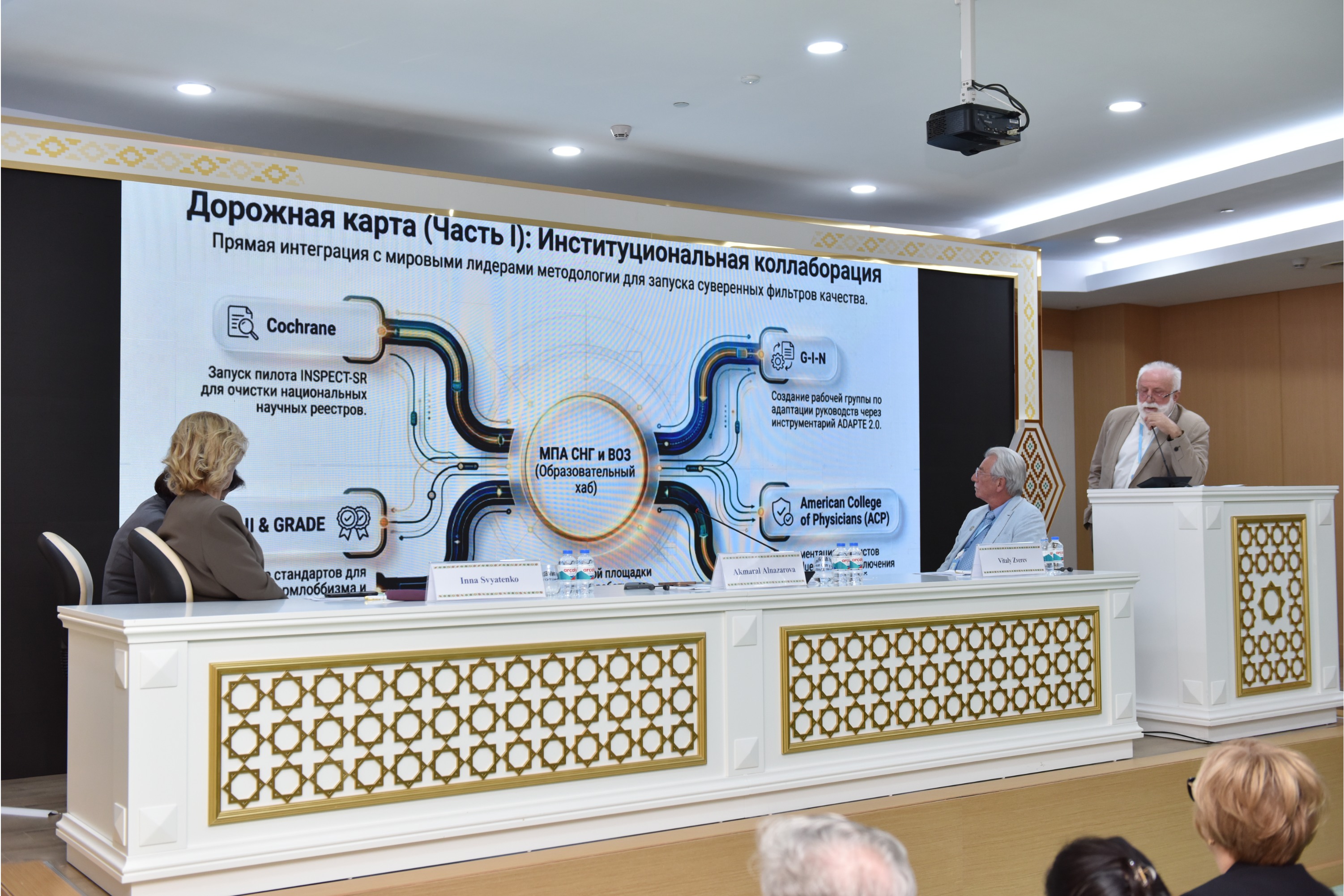
First Thematic Session «Primary Health Care – The Foundation for Achieving Universal Health Coverage» was held

The first thematic session of the Second International Conference «Universal Health Coverage and the Sustainable Development Goals» was held in the Avaza National Tourist Zone.

The main objective of the session was to discuss issues related to the modernization of primary health care, which is a crucial component of protecting public health and preventing diseases, the introduction of a digital system, as well as the exchange of best practices among the countries of the region.

The thematic session featured addresses by Minister of Health of the Republic of Kazakhstan Akmaral Alnazarova, Director of the European Centre for Primary Health Care of the World Health Organization Dr. Melitta Jakob, Director of the Division of Health Systems of the WHO Regional Office for Europe Natasha Muscat, Deputy Chairperson of the Federation Council of the Federal Assembly of the Russian Federation Inna Svyatenko, Academician of the Russian Academy of Sciences Vitaliy Zverev, Scientific Secretary of the Scientific and Practical Centre of Cardiology of the Republic of Belarus Elena Vorobyova, Head of the Department of Treatment and Prevention of the Ministry of Health and Medical Industry of Turkmenistan Muhammеt Ergeshov and Sergey Savashinsky Director of the Autonomous Non-Profit Organization «Eurasian Cooperation for the Development of National Healthcare and Clinical Consultations» and Member of the Council of Experts on Healthcare under the Interparliamentary Assembly of the CIS.

The event served as a highly effective and practical platform for ensuring the sustainable development of the healthcare system and integrating new advances in medical science with practical experience.

Following the Conference, a Final Document aimed at further strengthening regional and international cooperation and achieving specific objectives was unanimously adopted.

The participants of the session expressed their profound gratitude to the esteemed President of Turkmenistan and the National Leader of the Turkmen people for their positive initiatives aimed at elevating international cooperation in the medical field to a new level, as well as for creating the opportunity to hold this event at a high organizational level.

07.10.2026

Speech by Deputy Chairperson of the Committee on Social Issues, Healthcare, Science, Education, Culture, Youth and Women’s Policy of the Majlisi Namoyandagon of the Majlisi Oli of the Republic of Tajikistan Nuriddin Mukhiddin at the Plenary Session of the Second International Conference «Universal Health Coverage and the Sustainable Development Goals»:

First of all, I would like to express my sincere gratitude to our Turkmen colleagues for their warm welcome, hospitality and kindness, as well as for the excellent organization of the Second International Conference «Universal Health Coverage and the Sustainable Development Goals». Allow me also to express my appreciation for the opportunity to discuss important issues in medicine and healthcare development that are of particular significance to every state and society. I believe that such meetings and the exchange of experience contribute to strengthening professional cooperation, developing effective approaches and further advancing the healthcare systems of our countries.

Primary health care is the level of the healthcare system that gives more concrete meaning to the constitutional right of every person to the protection of their health. For citizens, this right is measured not by the number of legal acts and programs, but by their ability to consult a doctor in a timely manner, receive preventive care, diagnostic and treatment services close to home, and avoid an excessive financial burden as a result of illness. Therefore, the development of primary health care is a matter of putting the state’s social objectives and constitutional guarantees into practice.

The development of primary health care in our country is inextricably linked to family medicine. A family doctor does not focus solely on a particular diagnosis. Their work takes into account the different stages of a person’s life, risk factors, disease prevention, family circumstances and the need to coordinate further medical care.


Healthcare is one of the sectors in which it is particularly important that the laws adopted are not only legally precise but also effectively implemented in practice. The work of a legislative body does not end with the adoption of a law. It is important to monitor its implementation, identify emerging problems and legal loopholes, assess the effectiveness of existing mechanisms and, where necessary, make timely amendments to legislation.

07.10.2026

Speech by Minister of Health of the Republic of Kazakhstan Akmaral Alnazarova at the Plenary Session of the Second International Conference «Universal Health Coverage and the Sustainable Development Goals»:

First of all, I would like to express my gratitude to the Turkmen side for its hospitality and continued efforts to strengthen our mutual cooperation in the field of healthcare.

We are confident that combining the political will, professional expertise and practical experience of our countries will further enhance the effectiveness and sustainability of national reforms.

In our view, universal health coverage embodies the principle of social justice. According to this principle, every person, regardless of their place of residence or income level, should have access to the high-quality healthcare they need, and the cost of such care should not adversely affect their family’s well-being. It is also essential that parliamentarians serve as a bridge between the state and the population. They help convey citizens’ needs to decision-makers and ensure that healthcare remains a government priority.

We attach particular importance to today’s Conference because it addresses universal health coverage through three interrelated areas: strengthening primary health care, ensuring access to medicines, and securing sustainable healthcare financing. We highly appreciate the initiative of the Interparliamentary Assembly of the Commonwealth of Independent States, the Council for Cooperation in the Healthcare Sector of the CIS Member States, and the World Health Organization in establishing this important platform for professional and political dialogue.

Investing in people is the most reliable investment in the future of our states.

07.10.2026

Speech by Member of the Committee on Healthcare of the Milli Majlis of the Republic of Azerbaijan Ahliman Amiraslanov at the Plenary Session of the Second International Conference «Universal Health Coverage and the Sustainable Development Goals»:

First of all, allow me to express my sincere gratitude to the organizers of the Conference for providing the opportunity to discuss such an important issue.

For a state, sustainability means the need to establish an accessible, high-quality and people-centered healthcare system. Under the leadership of President Ilham Aliyev, Azerbaijan has been consistently implementing healthcare reforms aimed at achieving this goal. One of the main areas of these reforms has been the development of modern medical infrastructure across the country and the expansion of access to medical care. Over the past 20 years, more than 500 new healthcare facilities have been built and equipped with modern medical equipment. These facilities are expanding diagnostic and treatment capabilities.

Azerbaijan pays particular attention to the development of domestic pharmaceutical production, attracting investment and introducing modern technologies to ensure the availability of medicines. These efforts help strengthen the reliability of medicine supplies, develop domestic production and enhance the resilience of the entire medical supply system.

Ensuring a comprehensive healthcare system requires continuous improvement in the quality of medical care and the development of primary health care. We therefore attach particular importance to this area. The effective functioning of the healthcare system begins precisely at this level, through disease prevention, early diagnosis, vaccination, monitoring of chronic diseases and the promotion of a healthy lifestyle. In this regard, Azerbaijan continues to improve its legislative mechanisms. Parliaments play a special role in ensuring the sustainable development of healthcare systems.

Parliaments establish the legal framework for reforms, adopt decisions that determine the sustainability of healthcare systems, exercise parliamentary oversight and represent the interests of citizens.

I am confident that our dialogue and cooperation will contribute to the development of practical solutions and further strengthen the healthcare systems of our countries. I wish all participants in the Conference every success in their important and responsible work.

07.10.2026

Speech by Acting Director of the WHO Regional Office for Europe Corinne Capuano at the Plenary Session of the Second International Conference «Universal Health Coverage and the Sustainable Development Goals»:

This year, I have participated in numerous meetings where healthcare issues were discussed. However, meetings such as today’s, which bring together those directly involved in the development of legislation, are of particular importance.

At the beginning of my professional career, I learned an important lesson: a minister may launch a program, but it is parliament that determines whether the program will continue after that minister’s term of office ends.

We all understand that legislation is only the beginning. Parliaments play a central role in ensuring adequate funding, overseeing the implementation of adopted decisions and monitoring the results achieved.

Laws outlast those who adopt them. Today, you bear the responsibility for making this a reality.

The WHO Regional Office for Europe looks forward to continuing its cooperation with you to ensure that the Year of Health leaves behind not merely a declaration, but a lasting legacy of a comprehensive set of legislative measures that the region can refer to and draw upon for many years to come.


07.10.2026

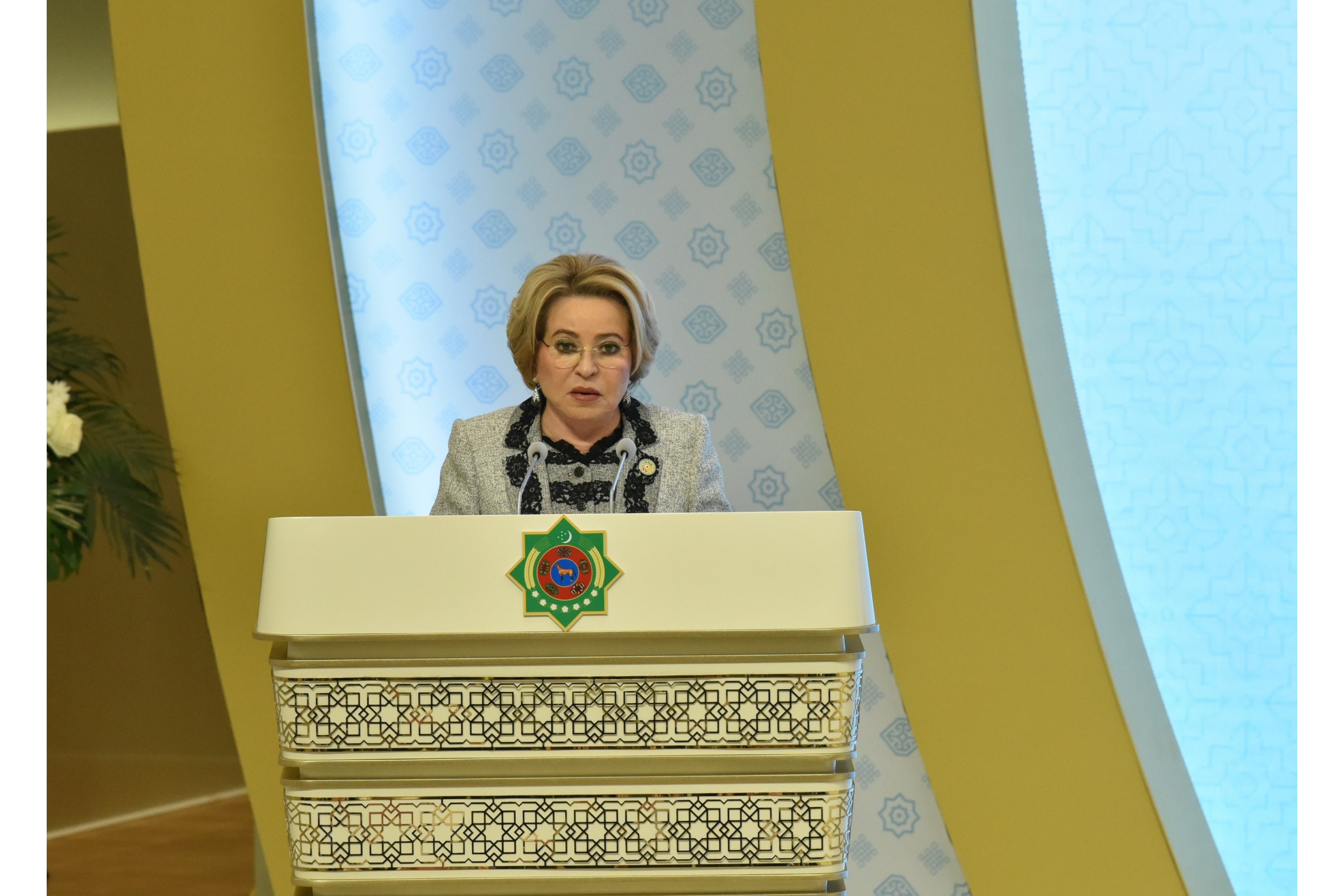
Speech by Chairperson of the Federation Council of the Federal Assembly of the Russian Federation Valentina Ivanovna Matviyenko at the Plenary Session of the Second International Conference «Universal Health Coverage and the Sustainable Development Goals»:

First of all, I would like to take this opportunity to sincerely congratulate the people of Turkmenistan on the 35th anniversary of independence.

As is well known, Turkmenistan pays particular attention to social policy, including the development of medical science, disease prevention and the protection of public health. It is no coincidence that your country is hosting an international conference dedicated to universal health coverage for the second time. I would like to thank you for organizing this event to such a high standard and for your warm hospitality.

The protection of health is one of the fundamental human rights. In this regard, ensuring universal access to high-quality healthcare services is a strategic priority for all countries around the world. Progress in healthcare is an integral part of achieving the Sustainable Development Goals. This year has been declared the «International Year of Health» in the Commonwealth of Independent States (CIS). This is not only an important step towards strengthening the well-being of our peoples and states, but also a special responsibility. Within the framework of this initiative, we have begun systematic work in key areas, including improving primary health care, preventing diseases, ensuring access to medicines and medical devices, and developing telemedicine.

Thanks to government support, dedicated programs and integration with scientific research and production, Russian medical science not only meets the most important needs of the healthcare system but also creates its own innovative products, ranging from original medicines and diagnostic systems to high-tech equipment.


We continue to cooperate with the World Health Organization. Currently, more than 20 WHO collaborating centres operate at Russian research institutions in various fields of healthcare.

At the legislative level, guarantees of free medical care have been established, along with standards for its quality and safety. The circulation of medicines is regulated, and legal frameworks have been created to facilitate the introduction of innovations. Members of the Federation Council of the Federal Assembly of the Russian Federation analyze the practical implications of applying legislation in various areas and, where necessary, initiate amendments to existing legal provisions.

In conclusion, I would like to express my gratitude to the organizers of this meeting and acknowledge Turkmenistan’s significant contribution to the development of multilateral cooperation. I am confident that today’s meeting will help create favorable conditions for expanding interstate cooperation, promoting the exchange of experience, establishing effective dialogue and harmonizing the interests of participants in international relations in the field of healthcare.

07.10.2026

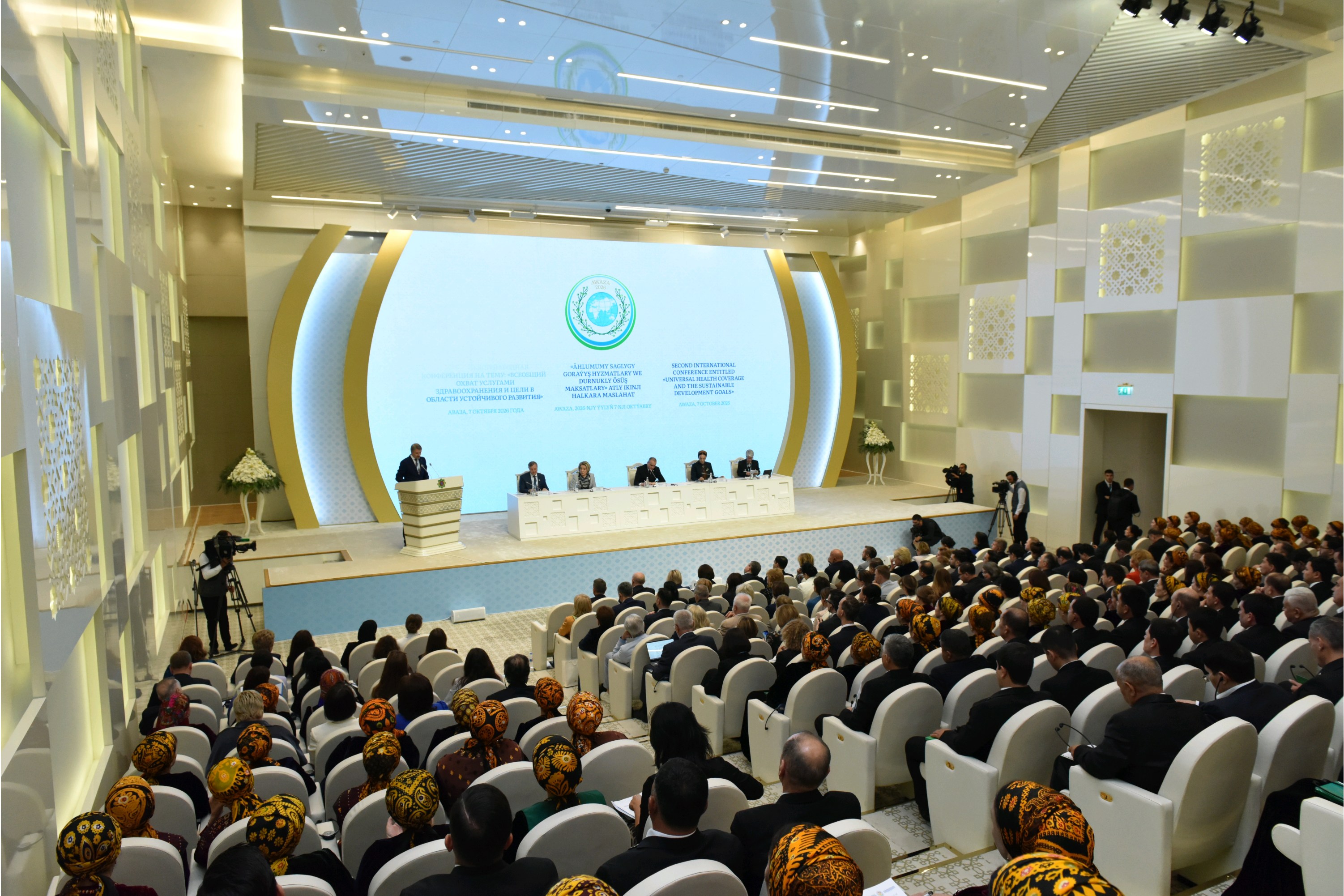
Opening Ceremony and Plenary Session of the Second International Conference «Universal Health Coverage and the Sustainable Development Goals» were held in Avaza National Tourist Zone

On 7 October 2026, the opening ceremony and plenary session of the Second International Conference «Universal Health Coverage and the Sustainable Development Goals» were held in the Avaza National Tourist Zone. The Conference was dedicated to important issues related to improving the healthcare system and advancing global sustainable development.

The main objective of this international event is to provide an effective platform for exchanging experience in improving healthcare systems at the regional and global levels, coordinating efforts to achieve the Sustainable Development Goals, and becoming acquainted with the latest advances in medical science and practice.

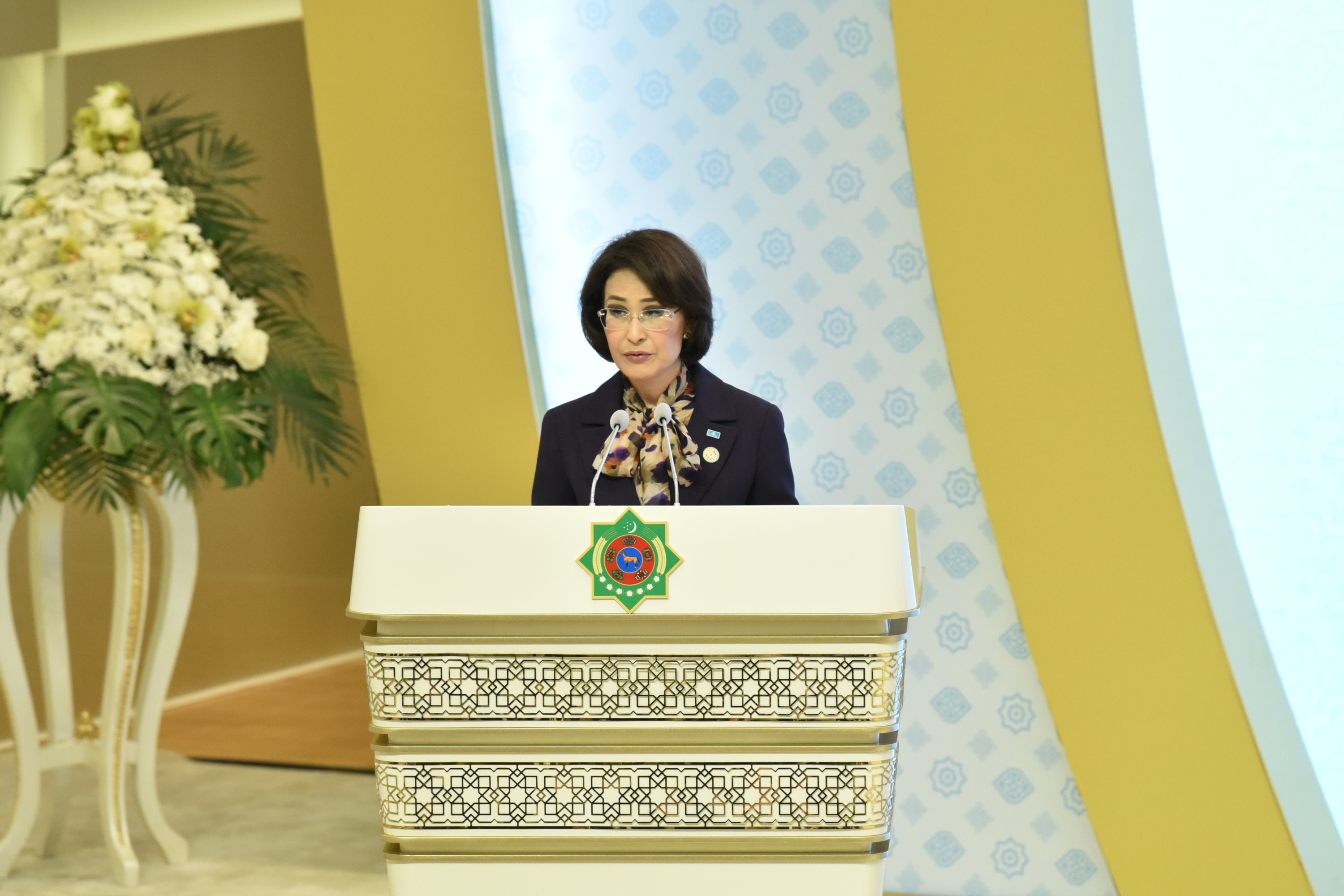
The plenary session of the Conference was opened and chaired by Myratberdi Gayypov, Minister of Health and Medical Industry of Turkmenistan. Addresses on the importance of regional and international cooperation in this field were delivered by Chairperson of the Federation Council of the Federal Assembly of the Russian Federation Valentina Matviyenko, Chairperson of the Mejlis of Turkmenistan Dunyagozel Gulmanova, Acting Director of the WHO Regional Office for Europe Corinne Capuano, Deputy Secretary-General of the Commonwealth of Independent States Denis Trefilov, Director General of the “NMRM” Radiological Centre of the Ministry of Health of the Russian Federation and Academician of the Russian Academy of Sciences Andrey Kaprin, Member of the Health Committee of the Milli Majlis of the Republic of Azerbaijan Ahliman Amiraslanov, Member of the Standing Commission of the Council of the Republic of the National Assembly of Belarus on Legislation and State Building Lyudmila Sapego, Minister of Health of the Republic of Kazakhstan Akmaral Alnazarova, Deputy Chairperson of the Committee of the Majlisi Milli of the Majlisi Oli of the Republic of Tajikistan on Social Affairs, Healthcare, Science, Education, Culture, Youth and Women’s Policy Nuriddin Mukhiddin, Minister of Health of the Republic of Uzbekistan Eldor Adilov, and Biljana Milošević, Head of the Regional Office of the International Committee of the Red Cross.

In her address, Chairperson of the Mejlis of Turkmenistan D. Gulmanova particularly emphasized that caring for people and their health is currently one of the priority areas of the state policy pursued in Turkmenistan under the leadership of our esteemed President. Guided by the constitutional principle that the individual is the highest value of society and the state, our country carries out effective work to protect human health, improve the health of the population, prevent and eradicate diseases, as well as to develop the healthcare and pharmaceutical industries to the level of advanced international standards.

Large-scale, long-term programme activities aimed at consistently strengthening the universal healthcare system and achieving the United Nations Sustainable Development Goals are being successfully implemented in our country.

Within the framework of the State Programme of the President of Turkmenistan «Health», the material and technical base and the legal framework of the healthcare system are being consistently improved.

Throughout Turkmenistan, medical centers, treatment and preventive healthcare institutions, sanitary and epidemiological service facilities, sanatoriums and pharmaceutical enterprises equipped with modern medical technology, as well as modern recreational, sports and tourism facilities are being consistently constructed and commissioned.

International relations play an important role in the development of healthcare and the pharmaceutical industry. On the basis of Agreements and Memoranda concluded in this field, effective cooperation is maintained with leading medical centres around the world, prestigious higher educational institutions, as well as renowned scientists and medical professionals.

Consistent work is also being carried out at the parliamentary level in our country to improve universal healthcare services and achieve the Sustainable Development Goals. The necessary legal framework is being established for the implementation of our national programmes. The continuous improvement of healthcare legislation and the protection of motherhood and childhood are among the principal tasks of the national Parliament.

Our country has legislative acts establishing standards for the protection of human health and ensuring the sanitary and epidemiological safety of the population, defining the legal foundations for the provision of medicines, and regulating relations in this field.

Among the contemporary tasks are the complete digitalization’s of the healthcare sector, the establishment of a regulatory and legal framework for the introduction of telemedicine and artificial intelligence, as well as the legislative consolidation of the phased integration of the potential of sanatorium-based and preventive medicine into the universal healthcare system.

Such activities at the parliamentary level broaden the opportunities for the successful implementation of planned measures aimed at achieving the United Nations Sustainable Development Goals, in particular the goal related to «Good Health and Well-Being».

By promoting peace, friendship and mutual understanding through medical diplomacy, Turkmenistan makes a worthy contribution to building a healthy and secure future for all humanity.

In this regard, Turkmenistan successfully implements joint programmes and projects with international organizations such as the United Nations, the World Health Organization and the United Nations Children’s Fund.

The main objective of the «National Strategy for the Development of Scientific and Medical Diplomacy in Turkmenistan for 2026–2052» is to comprehensively develop medical science in the country, elevate international cooperation in healthcare to a new level, and coordinate global efforts in this field.

The centuries-old traditions of humanism, kindness and compassion of the Turkmen people are today being enriched with new meaning and substance at the state level. In this regard, the noble activities carried out at the national and international levels by the Gurbanguly Berdimuhamedov Charitable Foundation for Assistance to Children in Need of Guardianship are a source of particular pride.

Using the resources of the Foundation, children in various regions of our country receive comprehensive medical treatment and appropriate assistance free of charge. Children’s hospitals are also regularly provided with modern medical equipment and high-tech ambulances. This humanitarian mission extends beyond our country to the international arena. The Foundation regularly provides assistance to children affected by natural disasters and economic hardships in various parts of the world. These noble activities are yet another vivid demonstration of Turkmenistan’s commitment to the principles of peace, good-neighborliness and high humanism.

Within the framework of its chairmanship of the CIS and during the period proclaimed in the CIS as the «Year of Healthcare», Turkmenistan contributes to strengthening interregional cooperation in this field through new ideas and concrete projects.

The speakers focused attention on important issues related to improving the healthcare system, achieving the Sustainable Development Goals and strengthening international cooperation, and also presented their views on the forthcoming tasks in modernizing the legal foundations of contemporary medicine. They also highly appreciated the positive initiatives put forward by Turkmenistan and the large-scale activities being implemented in this area.

The participants of the Conference expressed their wishes for the further development of regional and international cooperation of global significance and conveyed their profound gratitude to the esteemed President of Turkmenistan and the National Leader of the Turkmen people for the opportunities created to hold this International Conference at a high organizational level.

07.10.2026
1 2 3 4 5 6 7 ... 95